
Useful clearance without careless cutting
Specific branches targeted
We focus on the growth causing obstruction, damage or poor balance.
Natural form respected
Suitable cuts retain a shape that relates to the tree rather than a template.
The outcome agreed
We define the intended clearance and finished outline before work starts.
Pruning that addresses a visible problem
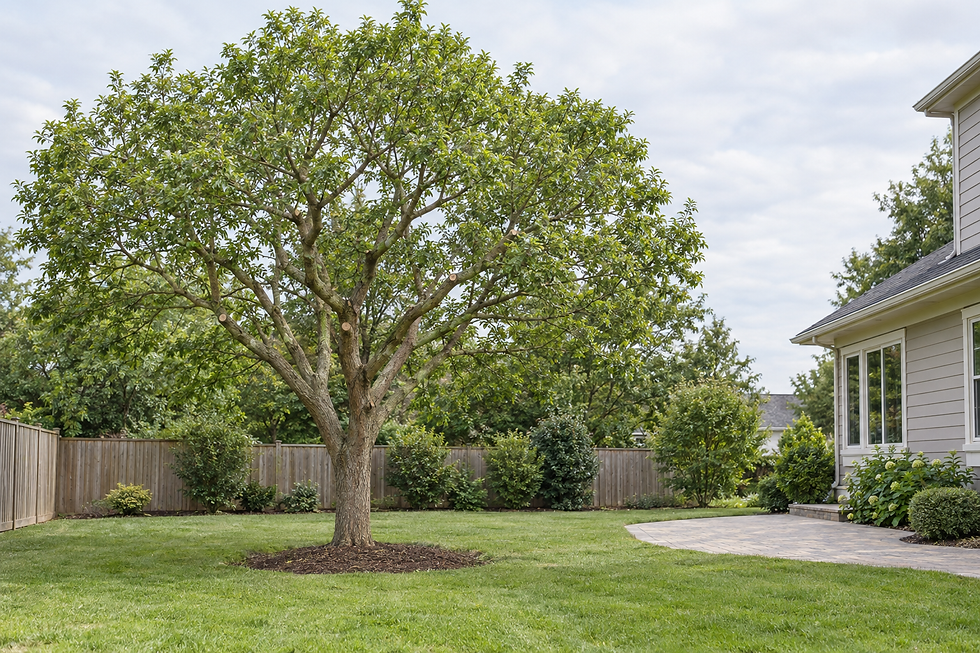
Trees rarely grow with neat regard for gutters, paths or the neighbour's greenhouse. Selective tree pruning can shorten awkward branches, remove crossing growth and improve an unbalanced structure without taking down the whole tree. We look at the species, age and condition, then identify which cuts will achieve the required clearance or correction. Formative work guides younger growth, while corrective pruning addresses damaged, poorly placed or competing branches. Where spread is the concern, branch shortening may be suitable. The aim is a clear result that still makes sense for the tree's established form.

The amount and timing of pruning matter
Removing too much live growth at once can produce a poor shape and an unwanted response from the tree. We consider the season, branch size and proportion of the crown affected before setting out the work. It also helps to define the finished result in ordinary terms: clearing a roofline, opening a path or reducing weight on a particular side. In Selsey gardens, access beneath the tree and the route for removing cut material form part of the plan. We can also identify when a more specific treatment, such as crown reduction, lifting or thinning, better matches the outcome you need.
Frequently asked questions
Can pruning stop branches touching a building?
Pruning can create suitable clearance where selected branches are causing the issue. We assess their size, attachment and place within the crown before shortening or removing them. Future growth may mean the clearance needs reviewing later.
When is formative pruning useful?
Formative pruning is generally used on younger trees to address competing stems, crossing branches or poor early structure. It can guide development before branches become much larger, although the work still needs to suit the species and current condition.
Will the tree look smaller after pruning?
That depends on the specified work. Corrective cuts may barely alter the overall dimensions, while branch shortening can manage selected spread. If you need a measured decrease in the whole canopy, crown reduction may be the more accurate treatment.