
Reduce concern above the places you use
Priority areas identified
We focus on deadwood above access routes, buildings and regularly used ground.
Live growth preserved
Suitable living branches and the established canopy outline remain in place.
Wider signs reviewed
The assessment can identify stress or structure issues needing separate attention.
Deal with dead branches where they matter most
Dead branches can develop through shading, age, damage, disease or a tree's natural decline. As the wood deteriorates, it may break away, making its position as important as its size. A dead limb above a little-used corner presents a different concern from one over a drive, path, patio or building. We inspect the crown and identify deadwood relevant to the space beneath it. Dead branch removal targets that material while preserving suitable live growth and the established crown shape. We also consider branch height, access and how cut pieces can be controlled around property and planting.

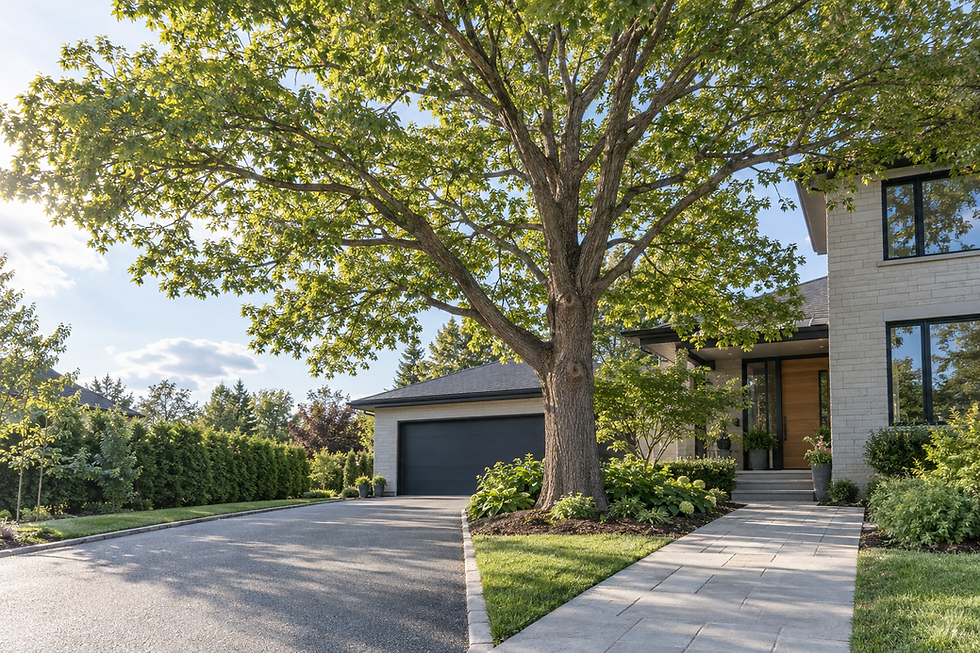
Use the crown inspection to spot wider concerns
A single dead twig isn't the same as extensive deadwood across several main limbs. During the assessment, we look at how much material is present and whether it may point to stress, damage or a broader structural issue. The equipment and control needed depend on branch diameter, height and what lies below. For trees in Selsey gardens, we agree the deadwood specification before starting, as removing every tiny dead tip may be neither practical nor useful. Where the remaining crown shows other concerns, we explain what deserves monitoring or separate tree work rather than quietly expanding the job.
Frequently asked questions
Does every dead branch need immediate removal?
Risk depends on branch size, condition and what lies beneath it. Deadwood over paths, parking or buildings is usually a greater concern than small material over an unused area. We assess its position and help prioritise useful work.
How can we tell if a branch is dead?
A lack of leaves can be a clue, but it isn't conclusive in every season or species. Dead bark, brittle twigs and missing buds may also indicate deadwood. We inspect the branch and surrounding crown rather than relying on one sign.
Will removing deadwood change the tree's shape?
The work targets dead branches and aims to retain suitable live growth, so the basic crown outline usually remains. The visual change depends on how much deadwood is present. Large dead limbs may leave a more noticeable opening.